
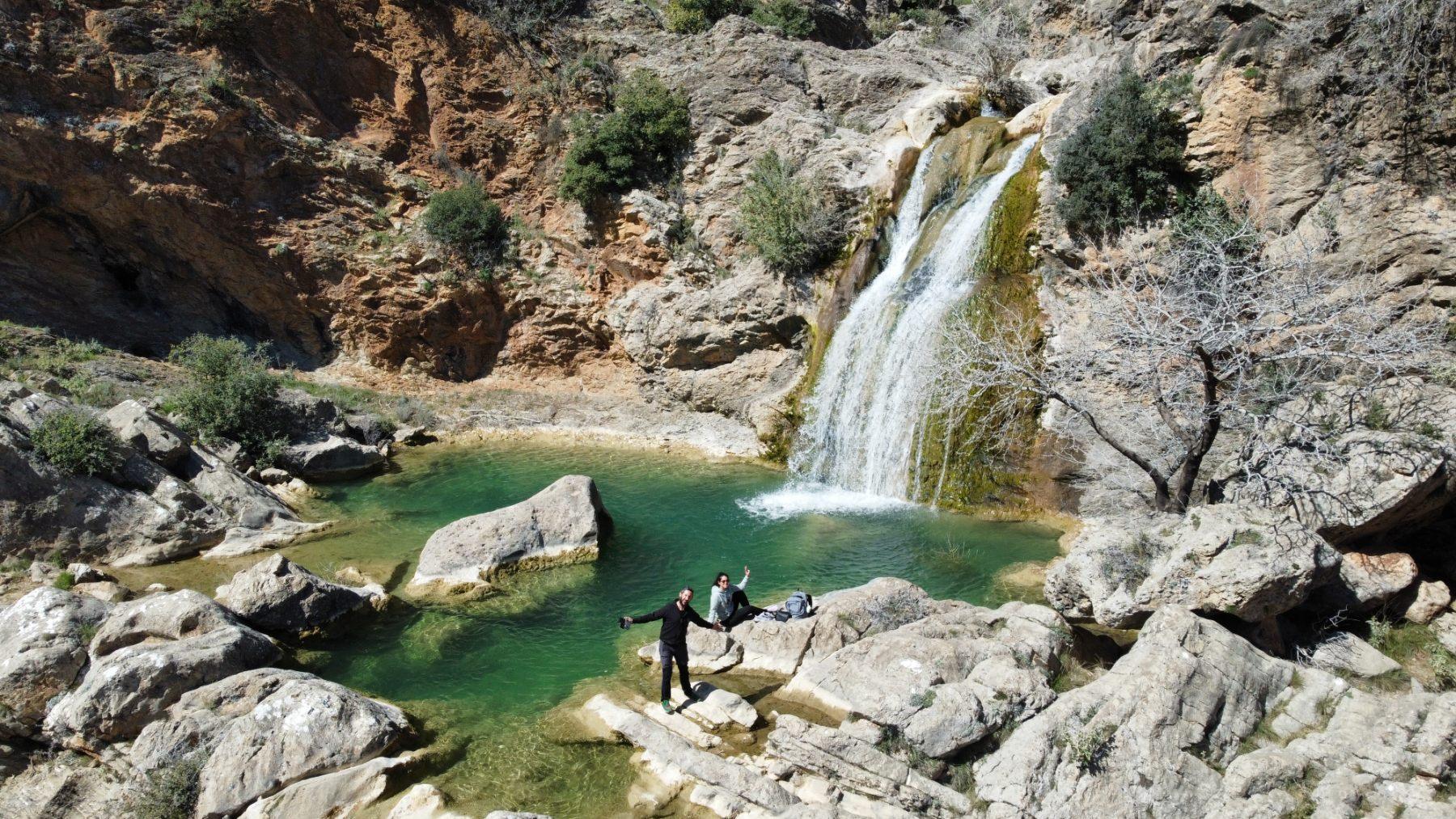
What if the best way to experience Greece…
is to slow down?
Not another island-hopping checklist.
Not crowded beaches or packed itineraries.
Just a trail, a rhythm, and the space to actually be there.
Welcome to the rise of alternative tourism in Greece — and at the heart of it, a growing movement: slow hiking.
What Is Slow Hiking (And Why Everyone Is Talking About It)
Slow hiking isn’t about distance, speed, or performance.
It’s about:
- walking with intention
- connecting with the landscape
- experiencing a place beyond the surface
Instead of rushing to the summit, you notice:
- the sound of the wind through the trees
- the texture of the trail
- the small villages you’d normally pass by
It’s not just hiking.
It’s a different way of traveling.
The Shift Toward Alternative Tourism in Greece
For years, Greece has been defined by mass summer tourism.
But that model is changing.
Travelers are now actively searching for:
- authentic travel experiences in Greece
- off-the-beaten-path destinations
- nature-based and sustainable tourism options
This is where alternative tourism comes in.
It moves away from crowded hotspots and focuses on:
- local culture
- outdoor activities
- meaningful, slower experiences
And Greece is perfectly positioned for it.
Why Greece Is Ideal for Slow Hiking Experiences
Few countries offer this combination:
- diverse landscapes (mountains, forests, coastline)
- mild climate almost all year
- deep cultural and historical layers
From the trails of Epirus to the paths of the Peloponnese, and from Crete’s gorges to lesser-known Aegean islands, the opportunities are endless.
Slow hiking turns these places into something more than destinations.
They become experiences you actually remember.
From Overtourism to Intentional Travel
Overtourism isn’t just about numbers.
It’s about how people travel.
Fast tourism:
- concentrates crowds
- creates pressure on infrastructure
- disconnects visitors from the place
Slow hiking does the opposite:
- spreads travel across regions
- supports local communities
- encourages longer stays and deeper engagement
It’s not about doing more.
It’s about experiencing better.
The Real Value: Connection Over Consumption
One of the biggest shifts in modern travel is this:
People don’t just want to see a place.
They want to feel it.
Slow hiking creates:
- emotional connection with nature
- awareness of local environments
- a sense of presence that fast travel can’t offer
And that’s what turns a trip into something lasting.
A New Opportunity for Greece
Alternative tourism and slow hiking are not just trends.
They’re an opportunity to:
- extend the tourism season beyond summer
- activate lesser-known regions
- build a more sustainable tourism model
With the right approach, Greece can reposition itself as:
👉 a top destination for hiking in Europe
👉 a hub for slow, experience-driven travel
👉 a leader in sustainable outdoor tourism
Final Thought
In a world that moves fast,
travel is starting to slow down.
And maybe that’s exactly what we need.
Because sometimes, the best way to discover a place…
is one step at a time.
Sources
- UN World Tourism Organization (UNWTO) – Sustainable Tourism & Rural Development
- European Commission – Alternative and Sustainable Tourism in Europe
- World Economic Forum – Travel Trends & Future of Tourism
- OECD Tourism Trends and Policies
- Adventure Travel Trade Association (ATTA) – Adventure & Nature-Based Tourism Reports
- Research on slow tourism and experiential travel (various academic journals)