
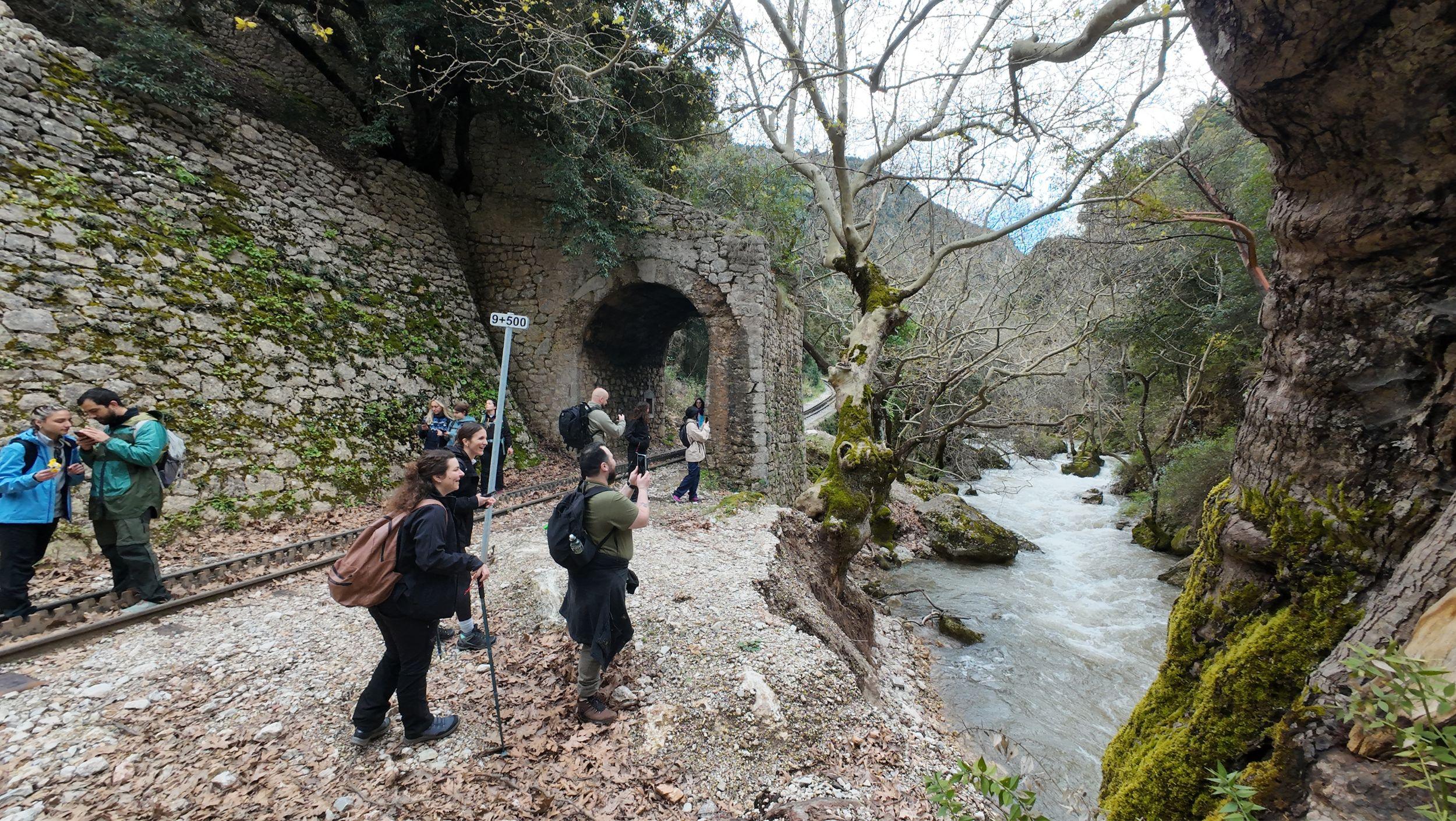
It’s Not the Route — It’s the Community
You can plan the perfect hike.
Choose the best location.
Even have ideal weather conditions.
And still, something can feel… missing.
As an outdoor leader, I’ve experienced this more than once. And I’ve also seen the opposite — simple routes, nothing extraordinary on paper, yet the experience stays with people long after it’s over.
The difference is rarely the activity itself.
It’s the environment you create.
People Don’t Just Show Up for the Activity
In outdoor wellness experiences, people don’t just come for the hike, the workout, or the scenery.
They come for something deeper.
They want to:
- feel comfortable
- feel accepted
- feel part of a group
Before anything else, participants need to feel that they can show up as they are — without pressure, without comparison.
That’s where community in wellness begins.
Trust Comes Before Engagement
One thing becomes very clear when working with groups in nature:
If people don’t feel safe, they don’t fully engage.
Trust creates the foundation for everything that follows:
- people open up more easily
- they connect with others
- they challenge themselves in a healthier way
Without trust, even a well-organized session can feel distant.
With it, even a simple outdoor activity can turn into a meaningful wellness experience.
How Connection Transforms the Experience
Some of the most powerful moments don’t happen at the peak of the hike or at the “highlight” of the activity.
They happen in between.
A conversation on the trail.
A shared effort during a challenging part.
A moment of silence in nature.
These are the moments where a group shifts from individuals into a community.
And that’s what people remember.
Building Community Takes Intention
Creating this kind of environment doesn’t happen by accident.
As a leader, it comes down to small, consistent actions:
- the way you welcome participants
- the tone you set from the beginning
- how you encourage interaction within the group
Simple things like learning names, removing performance pressure, and creating space for interaction make a big difference.
Because in the end, people don’t remember just what they did.
They remember how they felt.
From Activity to Authentic Experience
The difference between a standard activity and an authentic outdoor experience is connection.
Not just with nature — but with people.
When participants feel that they belong, the experience becomes:
- more engaging
- more memorable
- more meaningful
And that’s what creates lasting impact.
Final Thoughts
As outdoor leaders, we don’t just guide people through landscapes.
We shape the way they experience them.
And when that experience is built on trust and community, even the simplest moments can stay with someone for a long time.
Because in the end, it’s never just about the activity.
It’s about the people, the connection, and the space you create for both.